
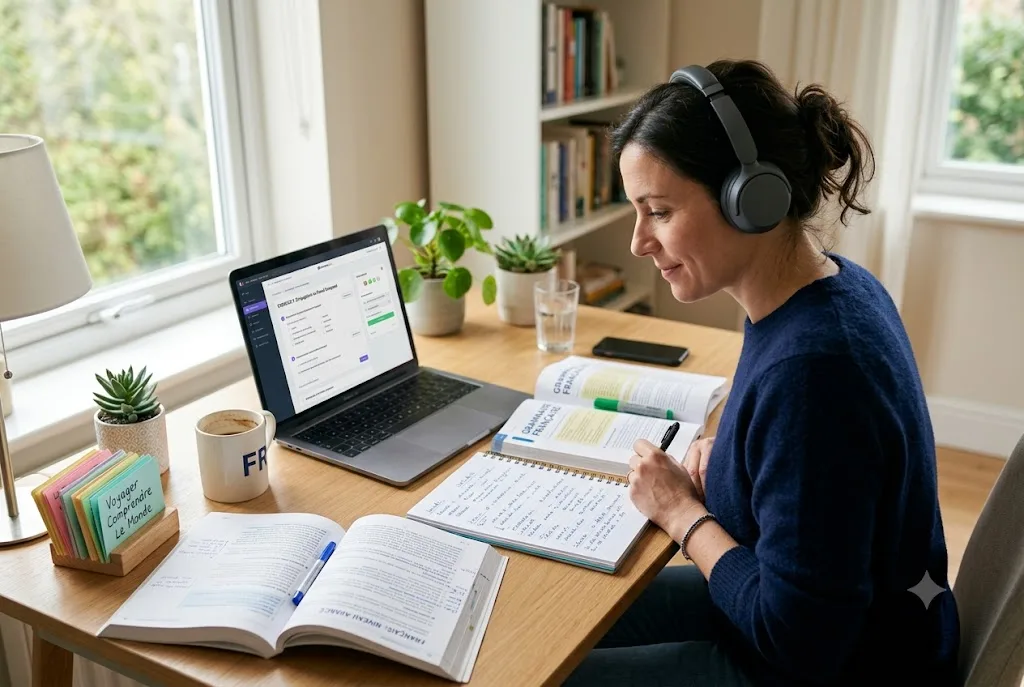
A regular language review is one of the most effective ways to measure progress, identify weaknesses, and improve overall communication skills. Whether you’re learning your first foreign language, helping a child develop literacy, or preparing for an academic or professional language exam, reviewing your abilities consistently leads to better long-term results. Through proper language assessment and language proficiency evaluation, learners gain a clearer understanding of what they know and what they need to practice next.
This guide explains why language reviews matter, how to evaluate your skills effectively, and which methods help learners continue making steady progress.
What Is a Language Review?
A language review is the process of evaluating your current language abilities across listening, speaking, reading, writing, grammar, vocabulary, and comprehension. Instead of focusing only on test scores, an effective review measures how confidently you can use the language in real-life situations.
Regular reviews prevent learners from repeating the same mistakes and make future learning more focused and efficient.
Why Language Assessment Is Important
Language assessment provides valuable feedback about your strengths and areas that require improvement. It also helps teachers, parents, and learners choose appropriate learning materials and realistic goals.
Benefits of regular language assessment include:
- Tracking learning progress.
- Identifying knowledge gaps.
- Improving study efficiency.
- Building learner confidence.
- Preparing for exams or certifications.
- Setting achievable learning objectives.
Key Areas to Evaluate During a Language Review
Listening Skills
Can you understand everyday conversations, podcasts, or videos without relying heavily on subtitles? Listening comprehension is often the foundation of language fluency.
Speaking Skills
Evaluate how comfortably you can express ideas, answer questions, and participate in conversations. Fluency improves with regular speaking practice rather than perfect grammar.
Reading Comprehension
Reading assessments should measure your ability to understand articles, books, emails, instructions, and other written materials appropriate to your skill level.
Writing Ability
Writing reviews examine grammar, vocabulary, sentence structure, spelling, and overall clarity of communication.
Vocabulary Knowledge
Rather than counting the number of words you know, focus on whether you can actively use vocabulary in meaningful conversations and writing.
Understanding Language Proficiency Evaluation
A language proficiency evaluation measures how effectively a learner uses a language in practical situations. Unlike classroom quizzes that test recently studied material, proficiency evaluations focus on real-world communication.
Many standardized language tests evaluate learners using internationally recognized proficiency levels that range from beginner to advanced.
How to Conduct Your Own Language Review
Review Previous Learning
Revisit lessons, vocabulary lists, and grammar concepts you’ve already studied before moving on to new material.
Take Practice Tests
Practice exercises help identify recurring mistakes while familiarizing learners with formal assessment formats.
Record Yourself Speaking
Listening to recordings helps identify pronunciation, grammar, and fluency issues that are difficult to notice during conversation.
Write Short Essays or Journal Entries
Writing regularly reveals vocabulary gaps and encourages learners to organize their thoughts more effectively.
Read Aloud
Reading aloud improves pronunciation, confidence, and speaking rhythm while reinforcing vocabulary.
Common Mistakes During Language Reviews
- Studying only grammar.
- Ignoring speaking practice.
- Comparing progress with other learners.
- Reviewing too infrequently.
- Focusing only on memorization.
- Skipping listening exercises.
An effective review should balance every language skill instead of emphasizing just one area.
How Teachers and Parents Can Support Language Assessment
Parents and educators play an important role by providing constructive feedback and creating opportunities for meaningful communication.
Helpful approaches include:
- Celebrating improvement.
- Setting realistic goals.
- Using age-appropriate learning materials.
- Encouraging regular conversations.
- Reading together frequently.
- Reviewing progress consistently.
Using Technology for Language Reviews
Modern educational platforms provide quizzes, pronunciation analysis, vocabulary tracking, and progress reports that make self-assessment easier. While digital tools are useful, they should complement conversations with teachers, tutors, or language partners rather than replace them.
Building Long-Term Language Success
A successful language review becomes even more valuable when combined with structured learning. Beginners can start with a comprehensive language guide to discover effective language study resources and literacy learning tools.
Parents helping young learners should also explore how do babies learn language to better understand natural language development and use proven teaching children english language learning methods to build strong communication skills.
For learners beginning a new language, understanding what is foreign language provides useful background before selecting learning resources and setting language goals.
For additional information about language learning standards and proficiency, visit the American Council on the Teaching of Foreign Languages (ACTFL).
Frequently Asked Questions
What is a language review?
A language review is a structured evaluation of listening, speaking, reading, writing, grammar, vocabulary, and overall communication skills to measure learning progress.
How often should I review my language skills?
Most learners benefit from conducting a language review every two to four weeks, depending on their learning schedule and goals.
What is language proficiency evaluation?
Language proficiency evaluation measures how effectively someone uses a language in practical situations rather than simply testing memorized knowledge.
Can I evaluate my language skills without taking an official exam?
Yes. Self-assessments, speaking practice, writing exercises, reading comprehension activities, and feedback from teachers or language partners provide valuable insight into your progress.
Conclusion
A consistent language review helps learners monitor progress, strengthen weak areas, and maintain motivation throughout their learning journey. By combining regular language assessment with thoughtful language proficiency evaluation, learners can develop balanced communication skills across listening, speaking, reading, and writing. Continuous review, practical application, and realistic goal-setting are the keys to achieving long-term language success.