
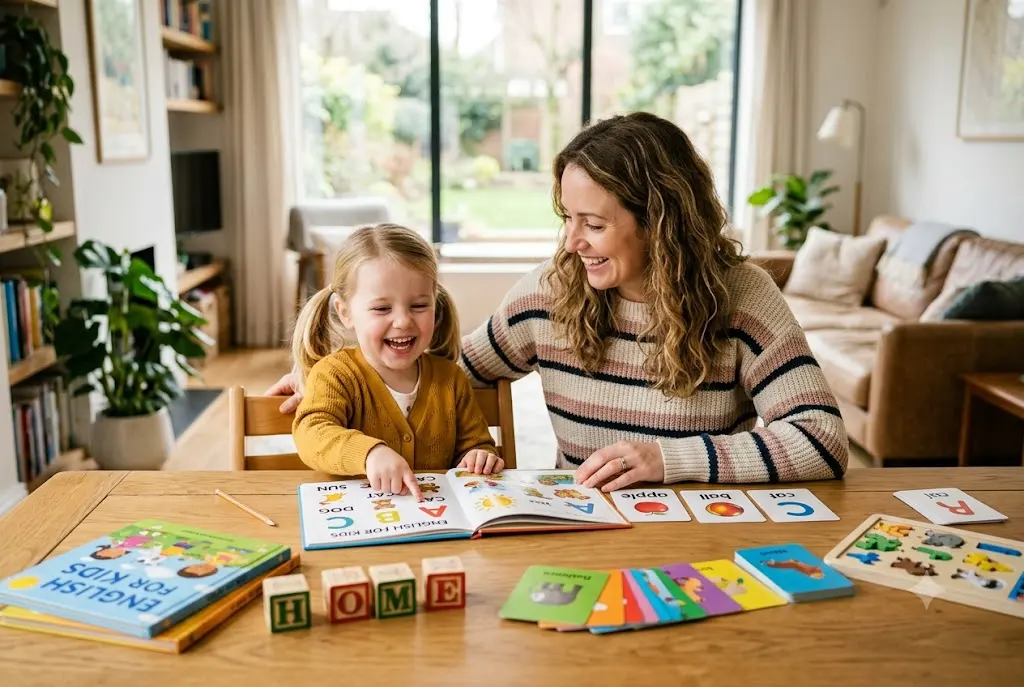
Choosing the right teaching children english language learning methods can make a significant difference in a child’s confidence, communication skills, and long-term academic success. Whether you’re a parent introducing English at home or a teacher creating engaging lessons, the best approach combines meaningful interaction, consistency, and age-appropriate activities. Rather than relying on memorization alone, children learn English more effectively when they experience the language through play, stories, conversations, and real-life situations.
This guide explains proven methods for English learning for children, highlights practical parent language teaching strategies, and shares ideas that help young learners develop strong communication skills naturally.
Why Teaching Methods Matter for Young English Learners
Children acquire language differently from adults. They learn through observation, repetition, imitation, and meaningful experiences instead of studying grammar rules first. Effective teaching methods create opportunities for children to hear, understand, and use English in everyday situations.
When learning feels enjoyable instead of stressful, children stay motivated and become more willing to communicate.
Teaching Children English Language Learning Methods That Build Strong Foundations
1. Learn Through Daily Conversations
One of the most effective teaching techniques is speaking English naturally throughout the day. Parents and teachers can use simple phrases during meals, playtime, shopping, or bedtime routines.
Examples include:
- “Let’s wash our hands.”
- “Can you find the red ball?”
- “What do you see outside?”
Frequent exposure helps children associate English with everyday experiences rather than classroom exercises.
2. Read Books Together Every Day
Reading aloud introduces children to vocabulary, pronunciation, sentence structure, and storytelling. Picture books encourage discussion while helping children connect words with illustrations.
Ask simple questions during reading:
- What is happening?
- Who is this character?
- What do you think happens next?
Interactive reading improves both listening and speaking skills.
3. Use Songs, Rhymes, and Chants
Music makes English memorable because rhythm and repetition reinforce pronunciation and vocabulary. Nursery rhymes, alphabet songs, and action songs also improve listening comprehension while keeping children engaged.
4. Encourage Learning Through Play
Games reduce anxiety and motivate children to use English naturally.
Popular activities include:
- Word matching games
- Treasure hunts
- Flashcard races
- Role-playing
- Simon Says
- Guessing games
Play-based learning creates positive emotional connections with the language.
5. Focus on Listening Before Correcting Mistakes
Young learners need time to understand spoken English before producing accurate sentences. Instead of correcting every mistake, model the correct expression naturally.
For example:
Child: “Dog run.”
Adult: “Yes, the dog is running very fast.”
This approach builds confidence while reinforcing proper grammar.
English Learning for Children: Practical Everyday Activities
English learning for children becomes more successful when language is integrated into daily routines instead of limited to study sessions.
Label Household Objects
Place simple English labels on common household items such as:
- Door
- Chair
- Table
- Window
- Book
- Clock
Children repeatedly encounter these words throughout the day, strengthening vocabulary retention.
Create Simple English Routines
Choose small daily habits such as:
- Morning greetings
- Counting steps
- Naming fruits during meals
- Talking about weather
- Describing favorite toys
Consistency matters more than long lessons.
Encourage Storytelling
Ask children to describe pictures or tell short stories using simple English. Storytelling develops vocabulary, sentence formation, and confidence in speaking.
Parent Language Teaching Strategies That Support Long-Term Learning
Parents do not need perfect English to help children become successful learners. What matters most is creating a positive language environment.
Celebrate Progress Instead of Perfection
Praise effort, curiosity, and participation. Children who feel encouraged are more willing to speak English without fear of making mistakes.
Maintain a Regular Learning Schedule
Fifteen to twenty minutes of daily practice is often more effective than several hours once a week.
Limit Passive Screen Time
Educational videos can be helpful, but interactive conversations provide much greater language development. Encourage children to respond, ask questions, and participate actively.
Choose Age-Appropriate Materials
Select books, songs, games, and activities that match your child’s developmental stage. Materials that are too difficult can reduce motivation.
Common Mistakes to Avoid
- Expecting immediate fluency.
- Correcting every grammatical mistake.
- Making lessons too long.
- Teaching vocabulary without context.
- Comparing one child with another.
- Ignoring speaking and listening practice.
Children progress at different rates, so patience is essential.
How Technology Can Support English Learning
Educational apps, interactive games, digital storybooks, and pronunciation tools can complement traditional teaching. However, technology works best when combined with real conversations and guided learning rather than replacing human interaction.
Parents should also choose high-quality educational resources recommended by trusted organizations such as the Reading Rockets literacy resource.
Building a Strong Language Learning Journey
As children become more confident in English, they also benefit from understanding how language develops over time. Learning about how babies learn language helps parents appreciate the natural stages of language acquisition. Likewise, exploring a comprehensive language guide can introduce additional study resources and literacy learning tools as children grow.
Later, learners may also explore concepts such as what is foreign language to better understand multilingual education and global communication.
Frequently Asked Questions
What is the best age to start teaching English?
Children can begin learning English from infancy through regular exposure, conversations, songs, and stories. Early exposure often supports natural pronunciation and listening skills.
How long should children practice English each day?
Daily sessions of 15 to 30 minutes combined with natural conversation throughout the day generally produce better results than occasional long lessons.
Should grammar be taught first?
For young learners, listening, speaking, and vocabulary usually develop before formal grammar instruction. Grammar becomes easier once children understand basic communication.
Can parents teach English without being fluent?
Yes. Reading together, practicing simple conversations, singing songs, and learning alongside children can all contribute to successful English development.
Conclusion
The most successful teaching children english language learning methods combine meaningful interaction, consistent practice, engaging activities, and positive encouragement. English learning for children should feel enjoyable rather than overwhelming. By using practical parent language teaching strategies, creating opportunities for everyday communication, and gradually introducing new vocabulary and experiences, parents and educators can help children develop strong English skills that support future academic and personal success.