
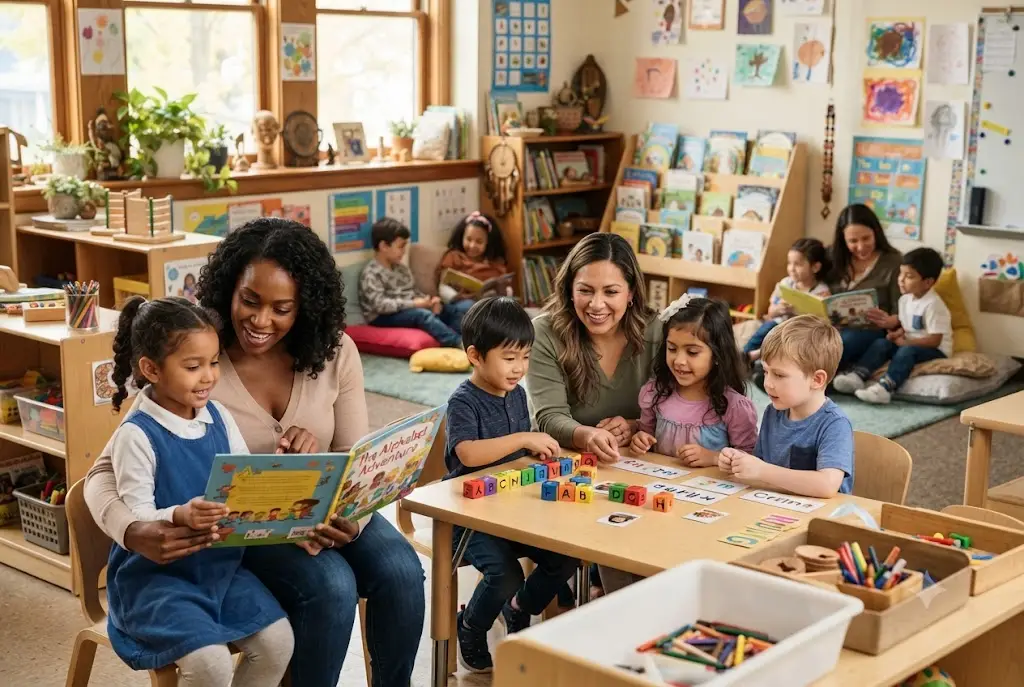
Language learning for kids plays a vital role in a child’s cognitive, social, and academic development. From learning their first words to developing reading comprehension and communication abilities, children benefit significantly when they are exposed to rich language experiences early in life.
Parents, educators, and caregivers increasingly recognize the importance of supporting language development through reading, conversation, educational activities, and digital learning tools. With the right approach, children can build strong communication skills that support lifelong learning and academic success.
Why Language Learning for Kids Matters
Language is the foundation of learning. Children use language to communicate ideas, express emotions, solve problems, and interact with the world around them. Strong language skills also support reading, writing, listening, and critical thinking abilities.
Research consistently shows that early language development influences future educational outcomes. Children with strong language foundations are often better prepared for school and more confident in social and academic settings.
Language learning for kids is not limited to vocabulary growth. It includes listening comprehension, speaking abilities, literacy skills, and understanding how language works in different contexts.
Stages of Language Development for Children
Children develop language skills gradually through meaningful interactions and experiences.
Infancy and Toddler Years
During the earliest years, children begin recognizing sounds, understanding simple words, and experimenting with speech. Conversations with parents and caregivers help establish important language foundations.
Preschool Years
Vocabulary expands rapidly during preschool. Children begin forming more complex sentences, asking questions, and expressing thoughts more clearly.
School-Age Development
As children enter school, language skills become closely connected to reading and writing development. They learn to understand more complex texts, follow instructions, and communicate ideas effectively.
How Reading Supports Language Development
Reading remains one of the most effective ways to strengthen language development for children. Books expose young learners to new vocabulary, sentence structures, ideas, and concepts that may not appear in everyday conversations.
Benefits of reading include:
- Expanded vocabulary knowledge
- Improved listening skills
- Stronger comprehension abilities
- Enhanced imagination and creativity
- Better communication skills
- Greater academic readiness
Reading together also creates opportunities for discussion, helping children connect language with meaning and real-world experiences.
Best Activities for Language Learning for Kids
Daily Conversations
Regular conversations are among the most powerful tools for language development. Asking open-ended questions encourages children to think, explain, and express themselves.
Storytelling
Storytelling helps children develop sequencing skills, vocabulary, and narrative understanding. Encouraging children to tell stories can strengthen both oral language and creativity.
Reading Aloud
Reading aloud introduces children to language patterns and exposes them to words they may not encounter in daily conversation.
Educational Games
Word games, rhyming activities, and language puzzles make learning enjoyable while reinforcing essential communication skills.
The Role of Children Language Apps
Technology has created new opportunities for language learning for kids. Many children language apps offer interactive lessons, vocabulary activities, reading exercises, and engaging educational games.
When selected carefully, educational apps can complement traditional learning methods and provide additional practice opportunities.
Effective children language apps often include:
- Age-appropriate content
- Interactive learning activities
- Progress tracking features
- Vocabulary development exercises
- Reading and listening practice
- Positive reinforcement systems
However, digital tools work best when balanced with real-world conversations, reading experiences, and social interactions.
Supporting Bilingual and Multilingual Children
Many families raise children in bilingual or multilingual environments. Learning multiple languages can provide cognitive, cultural, and educational advantages.
Parents can support multilingual development by:
- Using both languages consistently
- Reading books in multiple languages
- Encouraging conversations at home
- Providing exposure to native speakers
- Creating positive language-learning experiences
Children are capable of learning multiple languages successfully when they receive consistent exposure and support.
Signs of Healthy Language Development
While every child develops at their own pace, certain indicators suggest healthy language growth.
- Growing vocabulary over time
- Improved sentence complexity
- Ability to follow instructions
- Interest in books and stories
- Participation in conversations
- Understanding age-appropriate language concepts
Parents should remember that developmental timelines vary among children, and individual differences are normal.
When Language Difficulties May Need Attention
Some children experience challenges that affect language acquisition and literacy development. Difficulties may involve vocabulary growth, comprehension, expressive language, or reading skills.
In such situations, understanding topics related to language based learning disabilities can help parents and educators identify potential barriers and seek appropriate support.
Early intervention often leads to better outcomes and increased confidence for children experiencing language challenges.
Connecting Language Learning and Literacy
Language learning and literacy development are deeply connected. Strong oral language skills often contribute to reading success, while reading experiences further strengthen vocabulary and comprehension abilities.
Many schools and educational programs use structured literacy approaches to help children build these interconnected skills. Programs such as Imagine Learning Language and Literacy focus on supporting reading and language growth through personalized learning experiences.
Combining spoken language practice with reading instruction creates a strong foundation for academic achievement.
The Importance of Family Involvement
Parents and caregivers play a critical role in language development. Simple daily interactions often have a significant impact on a child’s communication skills.
Families can support language learning by:
- Reading together every day
- Encouraging questions
- Having meaningful conversations
- Limiting passive screen time
- Introducing new vocabulary naturally
- Creating positive learning environments
Consistent engagement helps children view language as an enjoyable and valuable part of daily life.
Future Trends in Children’s Language Education
Educational technology, adaptive learning systems, and personalized instruction continue to shape the future of children’s language education. Schools are increasingly combining traditional literacy instruction with digital learning tools to support diverse learning needs.
According to the Reading Rockets literacy resource, early language exposure and strong literacy experiences remain among the most important predictors of future reading success.
As educational approaches continue to evolve, the focus remains on helping children become confident communicators, readers, and lifelong learners.
Conclusion
Language learning for kids is essential for building strong communication, literacy, and academic skills. Through meaningful conversations, reading experiences, educational activities, and carefully selected children language apps, families and educators can create supportive environments that encourage language growth.
By investing in early language development, parents help children develop the skills needed for school success, social interaction, and lifelong learning. A strong language foundation today can open countless opportunities for the future.