
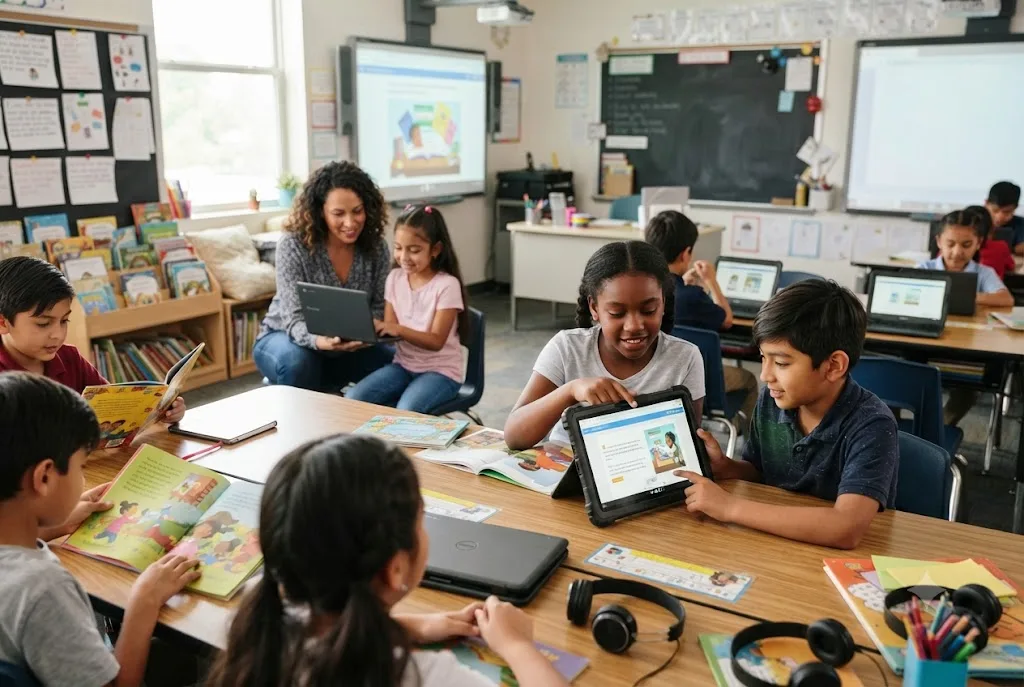
Imagine Learning Language and Literacy has become an important educational solution for schools, educators, and families looking to strengthen reading abilities and communication skills. As literacy expectations continue to evolve, digital learning platforms are playing a larger role in helping learners build strong foundations in reading, vocabulary, comprehension, speaking, and writing.
Whether a student is developing early literacy skills or working to improve academic language proficiency, Imagine Learning Language and Literacy provides structured support designed to meet learners where they are. By combining technology with evidence-based literacy instruction, the platform helps learners progress at their own pace while building confidence in language use.
What Is Imagine Learning Language and Literacy?
Imagine Learning Language and Literacy is an educational program designed to help students develop essential literacy and language skills through interactive learning experiences. The platform focuses on reading comprehension, vocabulary acquisition, listening skills, speaking development, and overall literacy growth.
Unlike traditional one-size-fits-all instruction, the program uses adaptive learning pathways that respond to individual student performance. This personalized approach helps learners receive appropriate support while encouraging steady academic progress.
As educational technology continues to expand, programs like Imagine Learning are becoming valuable tools for supporting literacy development in diverse learning environments.
Why Literacy Development Matters
Literacy development is one of the most important components of academic success. Strong literacy skills influence performance across virtually every subject area, including science, mathematics, social studies, and the arts.
Students with well-developed literacy abilities can:
- Understand complex texts more effectively
- Communicate ideas clearly
- Develop stronger critical thinking skills
- Build larger vocabularies
- Perform better academically
- Gain confidence in learning environments
Programs such as Imagine Learning Language and Literacy help address literacy needs by providing structured opportunities for students to practice and strengthen these foundational skills.
How Imagine Learning Supports Reading and Language Skills
Reading and language skills are closely connected. Students who improve their vocabulary and oral language abilities often become stronger readers. Similarly, students who engage with meaningful reading experiences tend to develop more sophisticated language skills.
Imagine Learning Language and Literacy supports this connection through activities that integrate:
- Vocabulary instruction
- Reading comprehension exercises
- Listening activities
- Speaking opportunities
- Grammar development
- Writing practice
This comprehensive approach helps learners build multiple literacy competencies simultaneously rather than focusing on a single skill area.
Key Features of Imagine Learning Language and Literacy
Personalized Learning Paths
Every student learns differently. One of the most valuable aspects of the platform is its ability to adjust instruction based on individual learner performance.
Students receive lessons tailored to their strengths and challenges, helping them stay engaged while making measurable progress.
Interactive Learning Experiences
Interactive activities can increase motivation and engagement. The platform incorporates multimedia content, visual supports, and guided practice opportunities that encourage active participation.
This approach can be particularly beneficial for learners who struggle with traditional literacy instruction methods.
Progress Monitoring
Teachers and parents benefit from detailed progress tracking tools. These insights help identify areas where students excel and where additional support may be needed.
Data-driven instruction allows educators to make informed decisions about literacy interventions and enrichment opportunities.
Support for Diverse Learners
Modern classrooms include students with varying language backgrounds, learning preferences, and literacy levels. Imagine Learning Language and Literacy is designed to accommodate diverse learner needs through differentiated instruction and adaptive content.
The Role of Technology in Literacy Development
Educational technology is increasingly becoming part of literacy instruction. When used effectively, digital tools can provide individualized support, immediate feedback, and engaging learning experiences.
According to the U.S. Department of Education, technology can support personalized learning and improve educational accessibility when implemented thoughtfully.
Imagine Learning Language and Literacy exemplifies how technology can complement classroom instruction rather than replace it. Teachers remain essential guides while technology provides additional opportunities for practice and reinforcement.
Benefits for Educators
Teachers often face the challenge of meeting the needs of students with varying literacy levels within the same classroom. Adaptive learning platforms can help address this challenge.
Benefits for educators include:
- Access to student performance data
- Differentiated instructional support
- Progress monitoring tools
- Targeted intervention opportunities
- Time-saving assessment features
These tools allow teachers to focus on meaningful instruction while leveraging technology to support individualized learning.
Benefits for Students
Students can gain several advantages from participating in literacy-focused digital learning programs.
- Personalized instruction
- Increased engagement
- Immediate feedback
- Flexible learning pace
- Enhanced confidence
- Improved reading comprehension
- Expanded vocabulary knowledge
As students experience success through personalized learning pathways, they often become more motivated to continue developing their literacy abilities.
Supporting Literacy Growth Beyond the Classroom
Literacy development does not occur exclusively in school settings. Families play a significant role in supporting reading and language growth.
Parents can encourage literacy development by:
- Reading together regularly
- Discussing books and stories
- Encouraging independent reading
- Providing access to diverse texts
- Engaging in meaningful conversations
- Supporting educational technology tools appropriately
When home and school literacy efforts work together, students often experience stronger outcomes.
Challenges in Language and Literacy Learning
While many students develop literacy skills successfully, others may face challenges that require additional support. Factors such as language barriers, limited reading exposure, or learning differences can affect literacy development.
Understanding these challenges is important for creating effective learning strategies. In some cases, educators may need to explore topics such as language based learning disabilities to better understand why certain learners experience persistent difficulties with language acquisition and literacy skills.
Early identification and intervention can significantly improve educational outcomes for struggling learners.
Building a Strong Language Learning Foundation
Strong literacy instruction goes beyond teaching students how to decode words. Effective programs help learners understand meaning, communicate ideas, and think critically about information.
For younger learners especially, structured language instruction can lay the groundwork for future academic achievement. Families interested in early childhood language education may also explore approaches related to language learning for kids as part of a broader literacy development strategy.
Combining strong instruction, meaningful practice, and supportive learning environments creates the conditions necessary for long-term success.
Future Trends in Literacy Education
The future of literacy education will likely continue integrating personalized learning technologies with evidence-based teaching practices. Educators are increasingly focused on balancing digital learning tools with authentic reading experiences, collaborative learning, and critical thinking development.
Programs like Imagine Learning Language and Literacy are part of a larger movement toward individualized instruction that helps learners build strong academic foundations while meeting diverse educational needs.
Conclusion
Imagine Learning Language and Literacy offers a comprehensive approach to supporting literacy development, reading growth, and communication skills. Through personalized instruction, adaptive learning pathways, and engaging educational experiences, the platform helps students strengthen essential literacy competencies.
As literacy remains a cornerstone of academic achievement and lifelong learning, effective educational tools can play a valuable role in helping students become confident readers, writers, and communicators. By combining technology, evidence-based practices, and strong instructional support, learners gain opportunities to develop the reading and language skills needed for future success.